

Hospice Care for Aging Parents: Why Advocacy Matters

The Conversations We Don’t Want to Have: Advocating for Our Aging Parents and Navigating Hospice Care
There comes a time in life when the roles between parents and children begin to shift. The people who once cared for us, guided us, and made difficult decisions on our behalf may eventually need us to do the same for them.
And sometimes, those decisions are harder than we ever imagined.
As our parents age, we find ourselves navigating conversations about their health, their future, and the kind of care they may need. These are not easy discussions, especially when the word hospice becomes part of the conversation.
Recently, I’ve found myself facing these decisions firsthand. Between a trip to Minnesota in October to advocate for my dad, conversations with my siblings, and a meaningful discussion over coffee with a hospice nurse, I’ve been reminded just how important it is for families to ask questions, communicate openly, and have a plan in place before difficult decisions need to be made.
Most importantly, I’ve learned that being an advocate for our aging parents may be one of the greatest responsibilities we take on as adult children.
When the Conversation About Hospice Becomes Personal
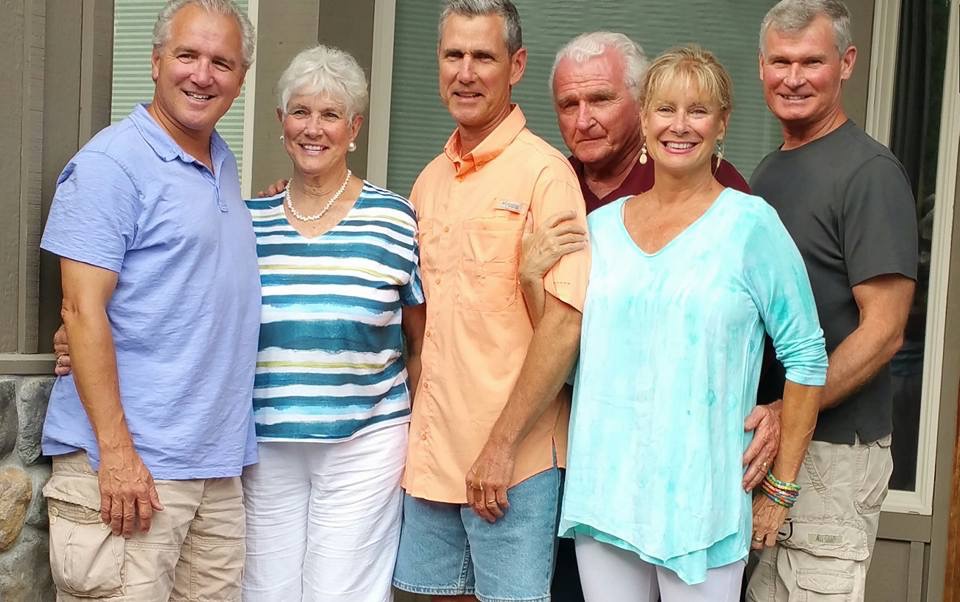
This past October, I traveled to Minnesota because I was concerned about a recommendation being made regarding my dad’s healthcare.
The assisted living community where Dad lives was recommending that we consider placing him in hospice care.
As his children, my siblings and I weren’t convinced that Dad was at that point in his healthcare journey.
Hearing the word hospice associated with your parent brings an entirely different level of emotion to the conversation. Suddenly, you’re faced with questions you may not have been prepared to answer.
Was Dad really at the point where hospice care was appropriate? What had changed in his health? Were there medical concerns we didn’t fully understand? And most importantly, was this the right decision for him?
My siblings and I felt strongly that we needed more information before moving forward.
We weren’t opposed to hospice care. We understood that hospice provides valuable comfort and support for individuals and families when the time is right.
But we also believed that such an important decision deserved careful consideration, honest conversations, and a thorough medical evaluation.
So we spoke up.
We asked questions, expressed our concerns, and advocated for Dad to be evaluated carefully before any decisions were made.
Ultimately, the hospice physician agreed that Dad did not meet the medical criteria for hospice care at that time.
For our family, that determination was significant.
It reinforced something I believe every adult child needs to understand: Just because a recommendation is made about your parent’s healthcare doesn’t mean you shouldn’t ask questions or seek further clarification.
Healthcare professionals bring valuable knowledge and experience to these conversations. But families also bring something important: a lifetime of knowing the person behind the medical chart.
We know our parents’ personalities, their routines, their wishes, and often the subtle changes in their health and behavior.
Both perspectives matter.
Our experience wasn’t about proving anyone wrong. It was about making sure Dad received the care that was appropriate for him at that moment in his life.
And it reminded me that advocacy isn’t about being difficult. It’s about being involved, informed, and willing to speak up for someone you love.
A Conversation Over Coffee That Stayed With Me
Not long after, my brother and I sat down over coffee with a hospice nurse.
What began as a conversation about hospice care turned into something much more meaningful.
We talked about the importance of planning ahead, understanding the options available to families, and having difficult conversations before a healthcare crisis forces decisions to be made.
That conversation stayed with me.
After everything my siblings and I had experienced with Dad, I found myself thinking about how quickly families can be faced with decisions they never expected to make.
One day, you’re simply checking in on your parents, asking about their day, or making sure they have what they need.
And then suddenly, you’re discussing medical evaluations, care options, quality of life, and decisions that may affect the time you have left together.
The conversation over coffee reminded me that planning for future healthcare decisions isn’t about giving up hope. It’s about making sure we’re prepared to honor our parents’ wishes when the time comes.
It’s also about understanding what hospice care actually means, rather than allowing fear or uncertainty to shape our decisions.
Hospice Care Doesn’t Mean Giving Up
I think one of the reasons hospice can be such a difficult topic is because of what the word represents emotionally.
For many families, hospice feels like an acknowledgment that the end of life may be approaching.
And when we’re talking about our own parents, that reality can be incredibly difficult to accept.
But hospice care is not about abandoning someone or giving up on them.
Hospice focuses on comfort, dignity, symptom management, and quality of life for individuals who are approaching the end of life. It also provides important support for families navigating an emotional and uncertain time.
There is a difference, however, between understanding the value of hospice and determining when hospice is medically appropriate for someone we love.
Our family’s experience with Dad reinforced that distinction.
A recommendation to consider hospice should begin a thoughtful conversation, not end one.
Families should understand why hospice is being suggested, what medical criteria are being considered, and what other care options may be available.
And if something doesn’t seem right, it’s okay to ask more questions.
It’s okay to request clarification.
It’s okay to seek another medical opinion.
Ultimately, hospice eligibility is determined through medical evaluation, and a person who doesn’t qualify today may qualify in the future as their condition changes.
The goal isn’t to delay hospice when it is needed. The goal is to make informed decisions that reflect our parents’ medical needs, values, and wishes.
Navigating Difficult Decisions With My Siblings

One of the most important parts of this journey has been the conversations I’m now having with my siblings.
When you’re making decisions about an aging parent, you’re not simply discussing healthcare. You’re talking about someone who has been part of your entire life.
Someone who raised you, loved you, worried about you, and helped shape the person you’ve become.
And now, the responsibility of helping care for that person may rest with you and your siblings.
That’s a significant emotional shift.
Even siblings who grew up in the same household may approach these conversations differently.
Some may focus on medical information and treatment options. Others may be more concerned about comfort, daily care, or what the future might look like.
Some may be ready to discuss difficult possibilities, while others may need more time.
And that’s understandable.
What matters is that we keep talking.
Our experience with Dad has reminded me how important it is to communicate openly, listen to one another, and work together rather than allowing fear, frustration, or uncertainty to divide us.
We may not always see every situation the same way, but we share a common goal: making sure Dad receives the care he needs while honoring his wishes and preserving his dignity.
And when Dad is able to express what he wants, his voice should remain at the center of those decisions.
As siblings, our role is to support him, advocate for him, and help make sure the right questions are being asked.
We don’t have to agree on every detail to agree that our parents deserve thoughtful, compassionate care.
Why Having a Plan Matters Before the Time Comes
One of the biggest takeaways from my conversation with the hospice nurse was the importance of having a plan in place before families find themselves in the middle of a crisis.
It’s something I’ve been thinking about more and more as my siblings and I navigate Dad’s healthcare.
So often, families wait until a parent is hospitalized, experiences a significant decline, or can no longer make decisions independently before having conversations about future care.
By then, emotions are high, time may be limited, and family members may feel overwhelmed.
Planning ahead doesn’t eliminate the difficult decisions, but it can make them easier to navigate.
It begins with asking our parents questions while they are still able to share their wishes.
What matters most to them as they age?
What does quality of life look like from their perspective?
Where would they prefer to receive care if their health declines?
What kinds of medical treatments would they want or not want?
Who would they trust to make healthcare decisions if they were no longer able to do so?
These are deeply personal questions, and the answers may not always be easy to hear.
But they are important.
Families should also understand advance directives, healthcare power of attorney documents, and the differences between ongoing medical treatment, palliative care, and hospice services.
Having these conversations and documents in place can help reduce confusion and ensure that decisions are guided by our parents’ wishes rather than assumptions.
And perhaps most importantly, it can help siblings approach difficult situations as a team.
Being an Advocate Means Asking the Hard Questions
If there’s one lesson I hope others take away from our family’s experience, it’s this:
Never be afraid to advocate for your aging parents.
That doesn’t mean questioning every recommendation or assuming healthcare professionals are wrong.
It means being an active participant in the conversation.
It means understanding why a particular level of care is being recommended.
It means asking what has changed, what options are available, and what the next steps might look like.
It means recognizing when you need more information before making a decision.
And sometimes, as we experienced with Dad, it means respectfully pushing back when you believe a recommendation deserves further evaluation.
There may also come a time when hospice care is exactly what our parents need. If and when that time comes, I want our family to approach the decision with the same level of thoughtfulness, compassion, and understanding.
Advocacy isn’t always about saying no.
Sometimes it’s about knowing when to say yes.
It’s about making sure the decision is appropriate, informed, and centered on the person receiving care.
Our parents spent years looking out for us. As they age, we have an opportunity to return that love by making sure their voices continue to be heard.
The Conversations We Don’t Want to Have Are Often the Ones We Need Most
I think about my trip to Minnesota in October and how important it was for my siblings and me to ask questions about Dad’s care.
I think about the conversation over coffee with the hospice nurse and the reminder that planning ahead can make a difference.
And I think about the conversations my siblings and I are continuing to have as we navigate this stage of our parents’ lives.
None of it is easy.
There is something incredibly emotional about watching our parents grow older and realizing that the roles we’ve known for so long are changing.
We want to protect them.
We want to make the right decisions.
We want to have more time.
And perhaps that’s why conversations about hospice and end-of-life care are so difficult. They remind us that there are parts of life we simply cannot control.
But we can control how we prepare.
We can choose to ask questions rather than make assumptions.
We can choose to communicate with our siblings rather than navigate difficult decisions alone.
We can choose to listen to our parents and understand what matters most to them.
And we can choose to advocate for their care with compassion, patience, and love.
I don’t know exactly what the future holds for Dad. None of us knows what the next chapter will bring for our aging parents.
But I do know that I want our family to be prepared, informed, and united in our commitment to doing what’s best for him.
Not every conversation will be comfortable. Not every decision will be clear. And we may not always have all the answers.
But we can keep showing up.
We can keep asking questions.
We can keep listening.
And we can keep reminding ourselves that these difficult conversations are not simply about healthcare decisions.
They’re about love, dignity, family, and honoring the people who once cared for us.
Because sometimes, one of the greatest acts of love we can offer our parents is having the conversations we’d rather avoid—while we still have the opportunity to hear their answers.
A Question for You
Have you found yourself navigating difficult healthcare decisions for an aging parent? Have you and your siblings had conversations about hospice care, future medical needs, or the importance of advocating for your parents?
I’d love to hear how other families are approaching these conversations. Sometimes, sharing our experiences helps someone else feel a little less alone on a journey so many of us will eventually face.
Until next time!
XXOOXX







Great post, Robin. I’m so glad that Uncle Dick isn’t ready for hospice yet and that you and the boys are talking about this difficult subject. Much love to you and the whole family.