Rethinking Wellness After 50: Why Less Pressure Leads to Better Health


For most of our lives, wellness came with rules.
Eat this, not that.
Push harder. Do more. Try again on Monday.
If it’s not uncomfortable, it must not be working.
Somewhere after 50, I realized I didn’t want to live like that anymore.
I didn’t want wellness to feel like another job—or another way to fall short. I wanted it to feel supportive. Sustainable. Even… enjoyable.
So I started rethinking what wellness really means at this stage of life.
The Problem With “All or Nothing” Wellness
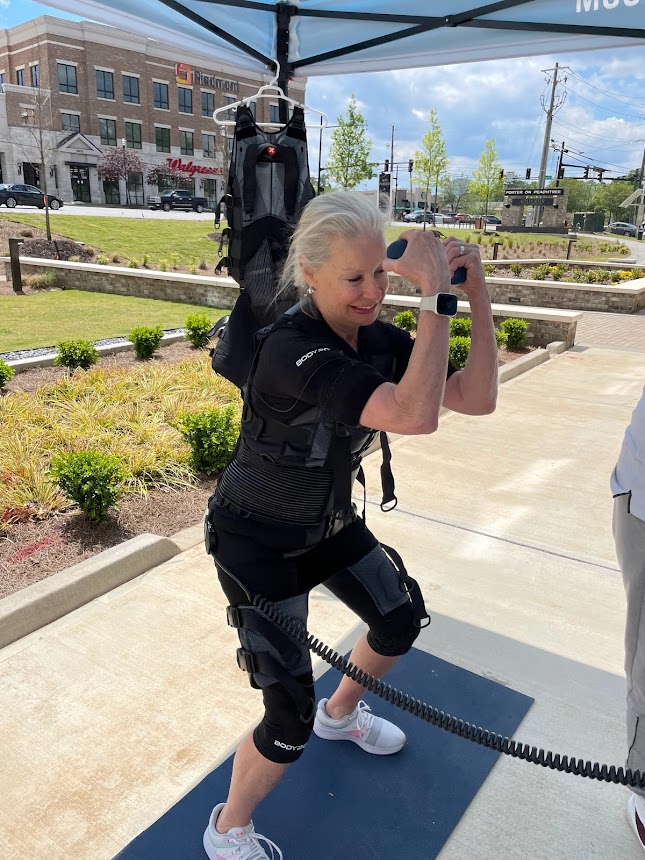
So much wellness culture is built around extremes.
Extreme diets. Extreme workouts. Extreme discipline.
But midlife bodies don’t respond well to punishment. We’re wiser now. More aware. We know when something feels off—and we’re finally giving ourselves permission to listen.
After 50, wellness isn’t about forcing change. It’s about creating conditions where your body can feel safe, strong, and cared for.
And that requires a softer approach.
Less Pressure, More Pleasure

This is the shift that changed everything for me.
Instead of asking, How can I fix my body?
I ask, How can I support it?
Pleasure might look like:
-
Movement you actually enjoy, not dread
-
Food that nourishes and satisfies
-
Sleep that’s protected, not sacrificed
-
A walk outside instead of another “should.”
Wellness doesn’t have to be earned. It doesn’t require suffering to be valid.
In fact, the more pleasure I allowed into my routine, the more consistent I became.
What Wellness Looks Like for Me Now

Wellness at this stage of life is quieter—but deeper.
It’s:
-
Choosing consistency over intensity
-
Paying attention to energy, not just appearance
-
Letting rest be part of the plan
-
Honoring what my body needs today, not what it needed at 35
Some days that means movement.
Some days it means stillness.
Both count.
Releasing the Guilt
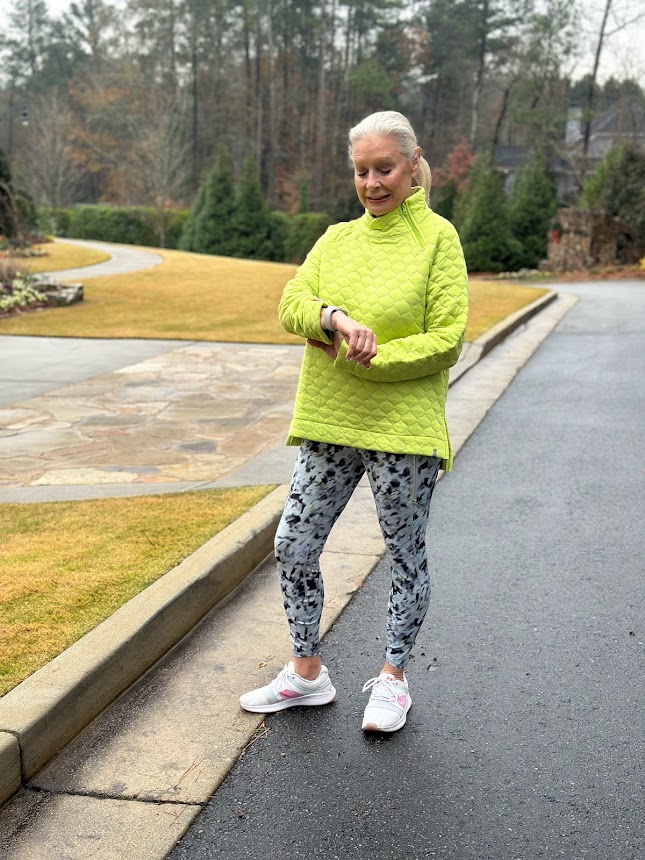
One of the most freeing parts of rethinking wellness after 50 has been letting go of guilt.
Guilt for resting.
Guilt for enjoying food.
Guilt for skipping a workout.
None of that serves us anymore.
We don’t need to earn rest. We don’t need to punish ourselves into health. Wellness is not a moral test—it’s a relationship. And like any good relationship, it works best when it’s built on trust and kindness.
A Kinder Definition of Healthy
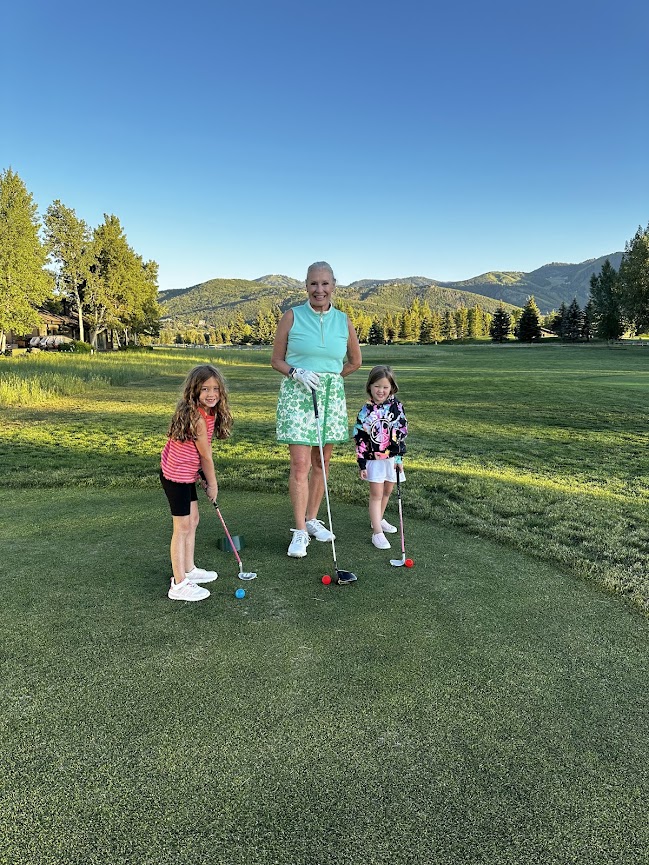
Healthy doesn’t look the same on everyone—and it shouldn’t.
After 50, healthy might mean:
-
Fewer aches and more ease
-
Better sleep, even if the scale doesn’t change
-
Feeling strong enough for the life you want to live
-
Having the energy to travel, play, connect, and create
That kind of health can’t be measured by numbers alone.
An Invitation

If wellness has felt heavy, restrictive, or discouraging, let this be your permission slip.
Permission to soften.
Permission to enjoy.
Permission to choose what feels good and let go of what doesn’t.
Less pressure. More pleasure.
That’s the kind of wellness I want to carry forward.
Until next time!
XXOOXX