
Gardening for Longevity: The Surprising Health Benefits of Gardening After 50

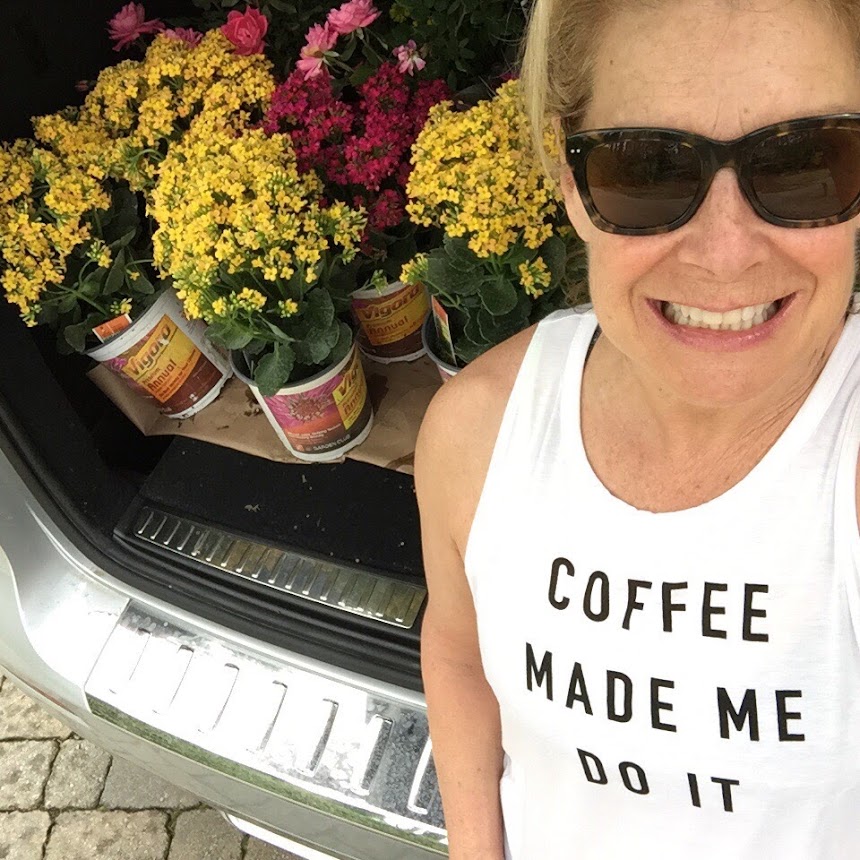 Gardening for Longevity: More Than Just Growing Flowers
Years ago, I wrote about the many benefits of gardening—not because it was trendy, but because I genuinely believed it nourished both the body and the soul. Long before wellness influencers were talking about longevity, I found peace in digging in the soil, planting flowers, and watching something beautiful grow.
Today, it’s interesting to hear longevity and Blue Zones expert Dan Buettner describe gardening as one of the ultimate longevity hacks. His research on the world’s longest-lived populations has consistently shown that people living in Blue Zones don’t necessarily spend hours in the gym. Instead, they build natural movement into their daily lives, and gardening is one of the most common activities they share.
It made me smile because sometimes the healthiest habits aren’t new discoveries—they’re timeless traditions many of us have quietly embraced for years.
For me, gardening has never been about creating the perfect landscape. It’s about slowing down, getting my hands in the soil, nurturing something beautiful, and finding joy in the changing seasons. It reminds me that growth doesn’t happen overnight—and neither does healthy aging.
As I approach my 70s, I’ve learned that the healthiest habits are often the simplest ones.
Gardening Is Gentle Exercise That Adds Up
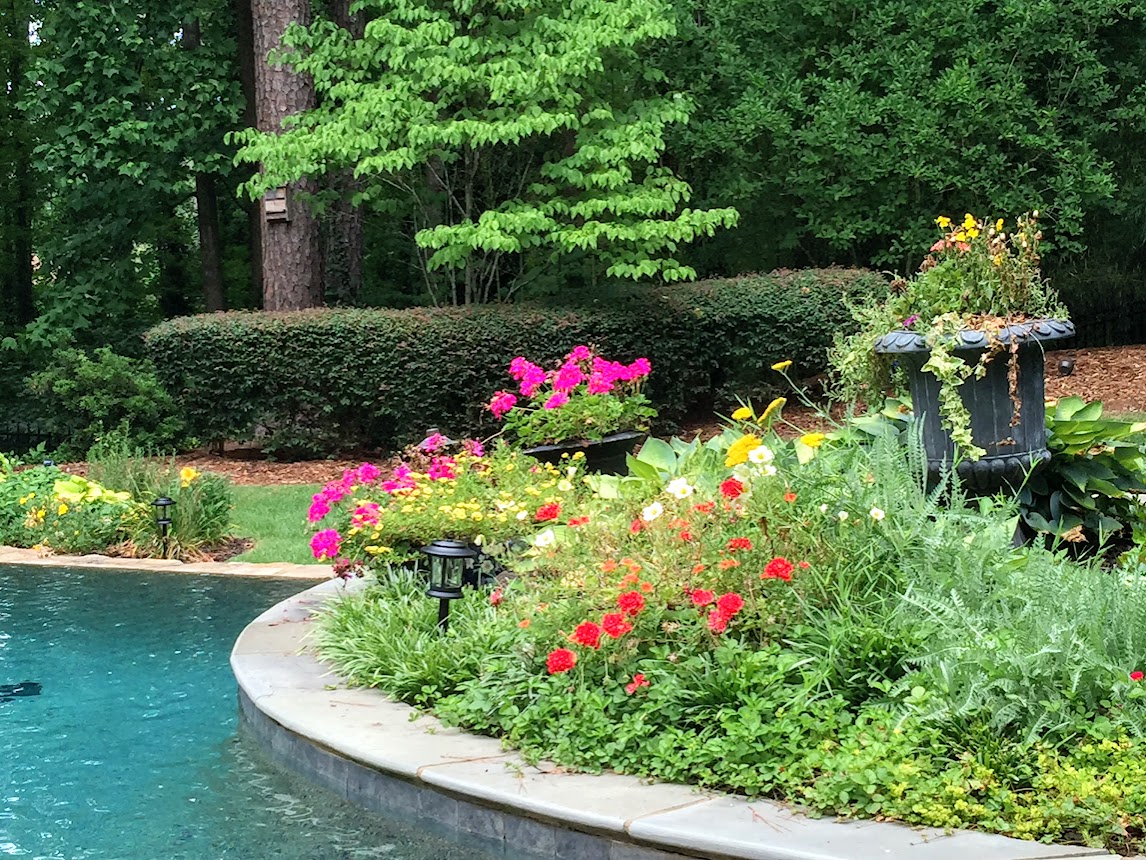
One of the greatest benefits of gardening is that it naturally encourages movement without feeling like a workout.
Digging, planting, weeding, pruning, carrying watering cans, and even walking around the yard all engage different muscle groups. Gardening helps improve:
- Strength
- Flexibility
- Balance
- Coordination
- Mobility
These everyday movements are especially important as we age because they help us maintain independence and reduce the risk of falls.
Unlike structured exercise, gardening feels purposeful. You’re creating something beautiful while caring for your body.
Spending Time Outside Supports Better Health
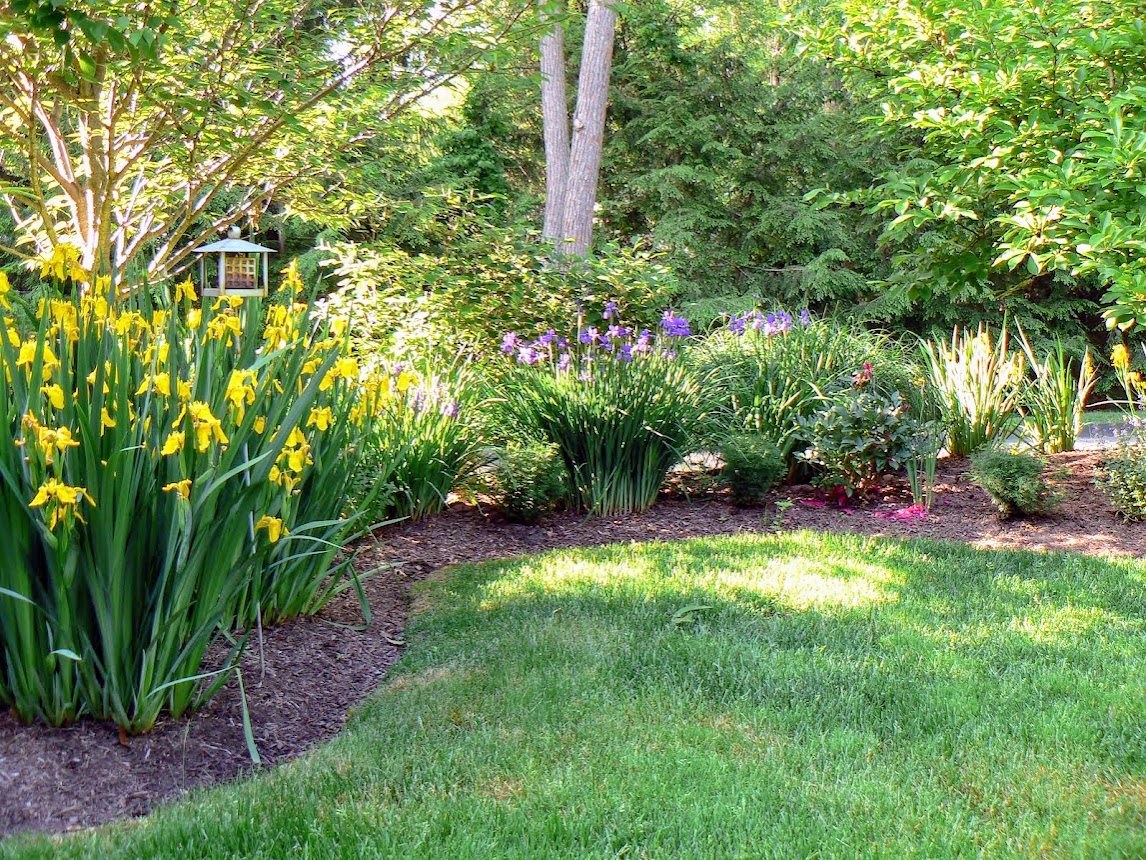
Fresh air and sunshine can do wonders for both physical and emotional well-being.
Moderate sunlight helps the body produce vitamin D, an important nutrient for bone health, immune function, and muscle strength.
Being outdoors also helps regulate our internal clock, which can improve sleep quality—something many of us appreciate as we get older.
Gardening Helps Reduce Stress

Have you ever noticed how peaceful you feel after spending an hour in the garden?
There’s a reason.
Research has shown that spending time in nature can lower stress hormones, reduce anxiety, and improve mood.
Gardening encourages us to slow down. Instead of rushing from one task to another, we’re focused on watering flowers, pulling weeds, or watching tomatoes ripen on the vine.
That simple act of being present can be incredibly restorative.
Gardening Gives Your Brain a Workout
Healthy aging isn’t just about our bodies—it’s also about keeping our minds engaged.
Gardening challenges the brain in countless ways:
- Planning seasonal gardens
- Learning about new plants
- Solving gardening problems
- Remembering watering schedules
- Designing outdoor spaces
These activities stimulate memory, creativity, and problem-solving skills.
Lifelong learning is one of the common characteristics researchers often observe in people who age successfully.
Growing Your Own Food Encourages Healthier Eating
Even if you only grow herbs, tomatoes, lettuce, or peppers, there’s something incredibly satisfying about eating food you’ve grown yourself.
Many gardeners naturally eat more fresh fruits and vegetables because they’re readily available.
Fresh ingredients often inspire healthier meals and make cooking more enjoyable.
Gardening Creates a Sense of Purpose
One of the most overlooked aspects of longevity is having purpose.
Plants rely on us.
Whether it’s watering flowers every morning, harvesting vegetables, or caring for roses, gardening creates a routine that gives each day meaning.
Watching something flourish because of your care is deeply rewarding.
Gardening Connects Us With Others
Gardening can also become a wonderful social activity.
You might:
- Share vegetables with neighbors
- Swap plants with friends
- Visit local garden centers
- Join a gardening club
- Attend community garden events
These connections help combat loneliness, which researchers increasingly recognize as an important factor in healthy aging.
You Don’t Need a Big Backyard
One of the best things about gardening is that anyone can enjoy it.
You don’t need acres of land.
You can grow:
- Herbs on a sunny windowsill
- Flowers in containers
- Tomatoes on a patio
- Raised-bed vegetables
- Hanging baskets filled with blooms
Every little bit counts. I grow basil and tomatoes in large pots on my deck in Park City as well as flowers. We have too many deer to worry about here.
My Thoughts on Gardening and Aging Well
As I’ve become more intentional about my wellness journey—prioritizing strength training, nourishing my body with protein, staying hydrated, and embracing healthier habits—I’ve realized that longevity isn’t about chasing perfection.
It’s about creating a lifestyle filled with movement, purpose, curiosity, and joy.
Gardening brings all of those together.
It’s encouraging to see researchers like Dan Buettner validate what so many gardeners have known all along: tending a garden naturally combines physical activity, stress reduction, time outdoors, healthy eating, and a sense of purpose. It’s a lifestyle that supports healthy aging without feeling like another item on a wellness checklist.
Some days you’ll harvest vegetables.
Other days you’ll simply enjoy your morning coffee while admiring the flowers you’ve planted.
Both are reminders that life continues to bloom in every season.
Perhaps that’s one of the greatest lessons gardening teaches us: no matter our age, there’s always something new growing. And if one of the world’s leading longevity experts considers gardening an “ultimate longevity hack,” maybe it’s time we all spent a little more time with our hands in the dirt.
Frequently Asked Questions
Is gardening good exercise after 50?
Yes. Gardening provides low-impact physical activity that can improve strength, flexibility, balance, and endurance while reducing the amount of time spent sitting.
Can gardening help reduce stress?
Studies suggest that spending time in nature and gardening can lower stress levels, improve mood, and promote relaxation through mindful, purposeful activity.
Does gardening support healthy aging?
Gardening combines regular movement, mental stimulation, social connection, time outdoors, and a sense of purpose—all habits associated with healthy aging and longevity.
What can beginners grow?
Herbs like basil, rosemary, and parsley, along with tomatoes, lettuce, peppers, marigolds, and zinnias, are all excellent choices for beginner gardeners.
Until next time!






Gardening has been one of my passions for years. I have enjoyed reading recent articles about how science has now supported something that we, who garden, have always known: it’s good for us! I enjoyed reading your article. Wish we lived close enough to get to walk around our gardens together. Keep enjoying!
Yes, I love seeing photos of your gardens, Sydney!
You would be so proud of Michael. He has enormous vegetable gardens because of my passion for gardening!